
Last Updated on 02/24/2026 by Kacie Barlow
This whipped tallow and honey balm recipe uses grass-fed beef tallow (naturally rich in fat-soluble vitamins A, D, E, and K) and raw honey to create a deeply nourishing, shelf-stable skin balm you’ll come back to again and again. It helps draw moisture into the skin while forming a protective barrier that locks it in, making it especially helpful for dry skin and sensitive skin.
I’m a nurse turned holistic esthetician and lifelong natural living and homesteading mama, and this is the exact balm I make and use on my own family and in our tallow business.
In this post, I’ll show you how to make it whipped and fluffy, how to prevent stickiness or separation, and how to store it so it has a long shelf life.
If you’re rendering your own grass-fed tallow from a local farmer, this recipe is a beautiful way to use it. And if you’re new to working with rendered tallow, don’t worry- I’ll walk you through exactly how to handle it so your balm turns out smooth, stable, and beautifully whipped in my How to Render and Purify Tallow post.
Why We Love This Tallow and Honey Balm (And Why It Works So Well)
This tallow and honey balm recipe is simple, traditional skincare built on two powerful ingredients: rendered tallow and raw honey.
Grass-fed tallow closely resembles our skin’s natural oils, which is why it absorbs beautifully instead of just sitting on top. It’s rich in essential fatty acids and supports the skin barrier, making it especially helpful for dry skin, sensitive skin, and winter-worn hands.
Raw honey adds a gentle humectant effect, helping draw moisture into the skin while the tallow seals it in. Used in small amounts, it creates a balm that feels nourishing, not sticky.
Together, they create a versatile skin balm you can use:
• As a face balm for dry or sensitive skin
• As a lip balm during colder months
• On cracked hands or rough patches
• For diaper rash
• As part of a simple, natural skincare routine
Because this balm contains no water, it remains stable at room temperature and has a long shelf life when stored in a cool, dark place away from direct sunlight.
It’s made with natural ingredients.
It gives you total control over what goes on your skin.
And it avoids the toxic ingredients often found in conventional skin care products.
Can You Put Honey in Tallow Balm?
Yes — and it’s one of the reasons this balm feels so nourishing.
Raw honey helps draw moisture into the skin, while grass-fed tallow creates a protective barrier that helps seal it in. Together, they make a beautifully simple, effective skin balm for dry or sensitive skin.
Does Honey Mix with Tallow (Or Will It Separate?)
Here’s the important part: honey is water-based, and tallow is oil-based. They don’t naturally blend on their own.
If you stir honey into hot liquid tallow and walk away, it may separate over time. That doesn’t mean it won’t work — it just means technique matters.
To keep your whipped tallow and honey balm smooth and stable:
• Add honey once the mixture has cooled slightly
• Whip thoroughly while it finishes cooling
• Keep the honey percentage modest
• Store in a completely dry jar
Because honey contains natural moisture, clean tools and proper storage are essential. Keep water out of the container, and your balm can last a long time at room temperature.
When incorporated properly, honey and tallow work together beautifully.
Tallow and Honey Balm Recipe
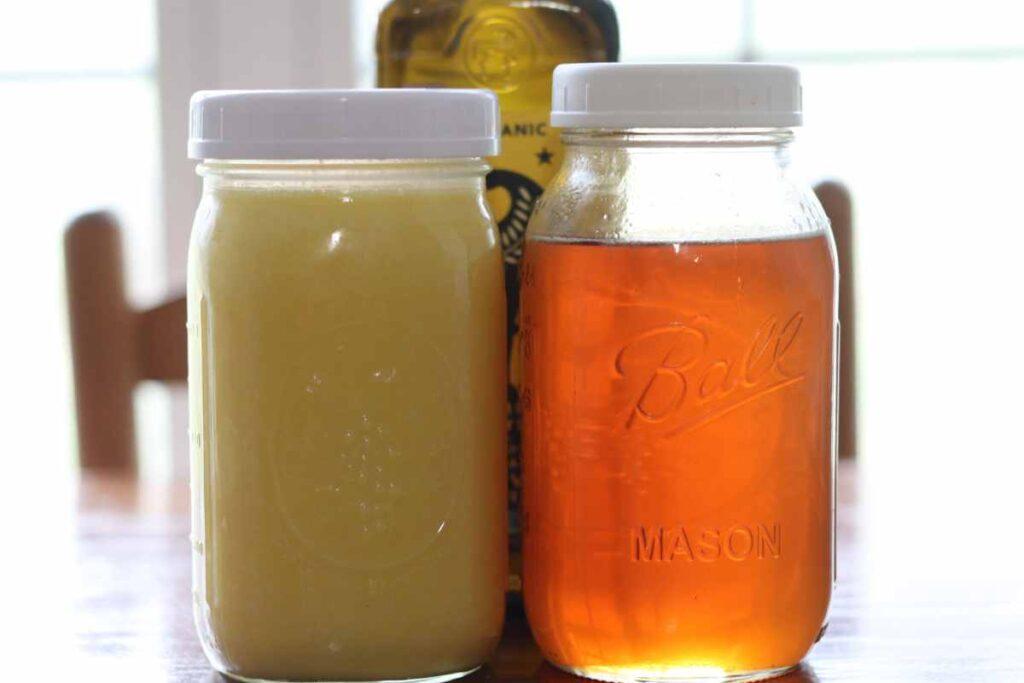
This process is super simple so no reason to feel intimidated or overwhelmed before you ever even get started. I’m going to walk you through the entire process. Before we get started, you should know that you can absolutely make this recipe with just 3 ingredients: tallow, honey, and olive oil. I have added a few more optional ingredients below for a little extra- but most of the time, I just use the three tried and true ingredients. 🙂
Best Tallow to Use (For a Mild Smell)
The quality of your tallow makes a big difference, both in scent and in how your balm feels on the skin.
For the mildest smell, use properly rendered, purified beef tallow from grass-fed cows. When tallow is slowly rendered and strained well, it should have a very light, clean scent… not a strong “beefy” smell.
If you need a little extra help getting that beefy smell out of your tallow, I break that down in my How to Take the Beef Smell Out of Tallow guide.
If your tallow smells strong, it usually means:
- It wasn’t purified fully
- It was rendered too hot
- Or small bits of meat were left behind
You can absolutely use homemade tallow (that’s what I prefer), just make sure it’s been rendered gently and strained thoroughly.
If you’re buying tallow, look for:
- 100% grass-fed
- No additives
- Cosmetic-grade or labeled for skincare
Clean, properly rendered tallow makes all the difference in how your finished balm feels and smells.
Best Honey to Use (Raw vs. Manuka)
When it comes to making whipped tallow and honey balm, raw, unfiltered honey is your best everyday option.
Raw honey contains natural enzymes and beneficial compounds that highly processed grocery store honey often lacks. It’s thicker, richer, and blends better into balm when used in small amounts.
Manuka honey is also wonderful, especially if you’re making this balm for very dry, irritated, or compromised skin. It’s known for its higher antibacterial activity. But it’s not necessary for most everyday use, and it can be quite expensive.
For most families, a high-quality local raw honey works beautifully.
Avoid:
• Ultra-processed honey
• Honey blends or syrups
• Anything with added sugars
Because honey contains natural moisture, remember that less is more. A small amount delivers the benefits without increasing tackiness or separation risk.
Best Oils to Add (Olive, Jojoba, Avocado)
While this balm works beautifully with just tallow and honey, adding a small amount of carrier oil can adjust the texture and skin feel.
Here’s how they’re different…
Olive oil – Very nourishing and easy to find. It creates a slightly softer balm and works well for very dry skin.
Jojoba oil – Lightweight and closer to your skin’s natural oils. Great for facial use and sensitive skin.
Avocado oil – Rich and deeply moisturizing. Ideal for cracked hands, winter skin, or mature skin.
Start with 1–2 tablespoons per cup of tallow and adjust from there. Too much oil can make the balm overly soft, especially in warmer weather.
If you prefer a firmer balm, you can skip added oils or include a small amount of beeswax instead.
Ingredients for Whipped Tallow and Honey Balm
Note on Texture: Because this balm uses raw honey (which is water-soluble), some users may notice a slightly tacky feel at first—especially if applied in large amounts. A little goes a long way! For a lighter feel, reduce the honey or whip the balm until ultra fluffy.
If you’re looking for a fully firm, travel-friendly balm that holds up beautifully in warm weather, you’ll love my Solid Tallow + Beeswax Balm Recipe, which uses beeswax to create a more protective, structured salve.
Tools You’ll Need
How to Make Whipped Tallow and Honey Balm (Step-by-Step)
Step 1: Render and Melt the Tallow
If you don’t already have rendered tallow, this is your main ingredient. Render grass-fed beef tallow by gently heating leaf fat over very low heat until it melts into liquid tallow. Strain out any solids, and you’re good to go. You can also use deer tallow or buy pre-rendered tallow from a higher-quality source.
If you’re unsure how to render and purify tallow or you don’t feel very confident, check out this article on how to render and purify tallow.
And if you’re really struggling to get that odorless tallow that doesn’t smell like a beef patty, check out this article on how to take the beef smell out of beef tallow.
Step 2: Melt Ingredients
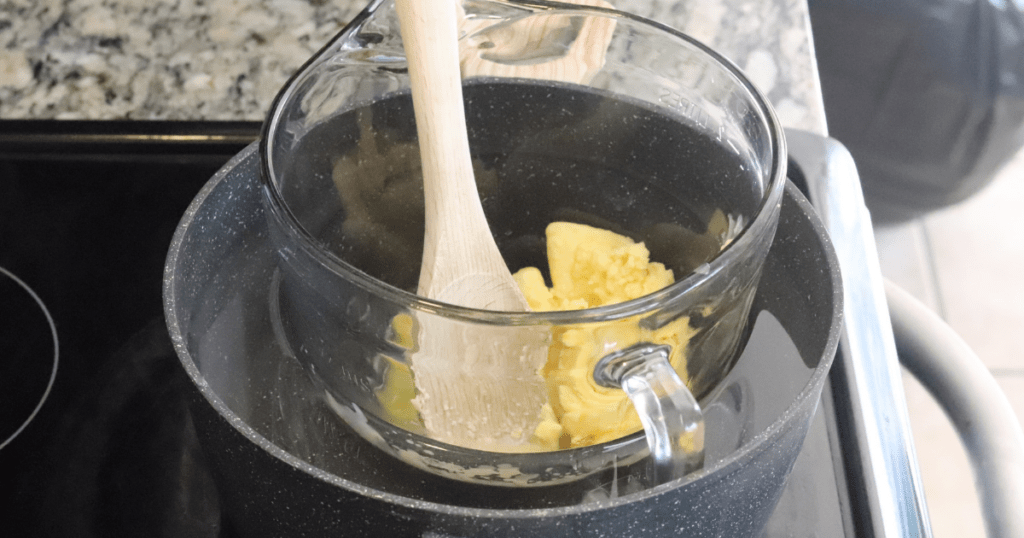
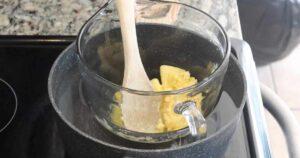
In your double boiler, combine the rendered tallow, shea butter (if using), and liquid oil. Stir gently over very low heat until melted. Be careful to preserve the fat-soluble vitamins and essential fatty acids by avoiding high heat.
Step 3: Add Honey and Optional Ingredients
Remove the mixture from heat and let it cool slightly. Whisk in the honey, drops of essential oil, and vitamin E oil. If you’re sensitive to the smell of tallow, choose essential oils like lavender or rosehip oil to mask it.
A quick note on honey: Since honey doesn’t dissolve into oil, it can add a slightly sticky feel to the balm for some folks. If you prefer a silkier texture, you can cut the honey down to 1 teaspoon—and still get the benefits without the tack. You can also add a bit more liquid oil or whip the balm longer for a fluffier, lighter feel.
Step 4: Whip or Pour
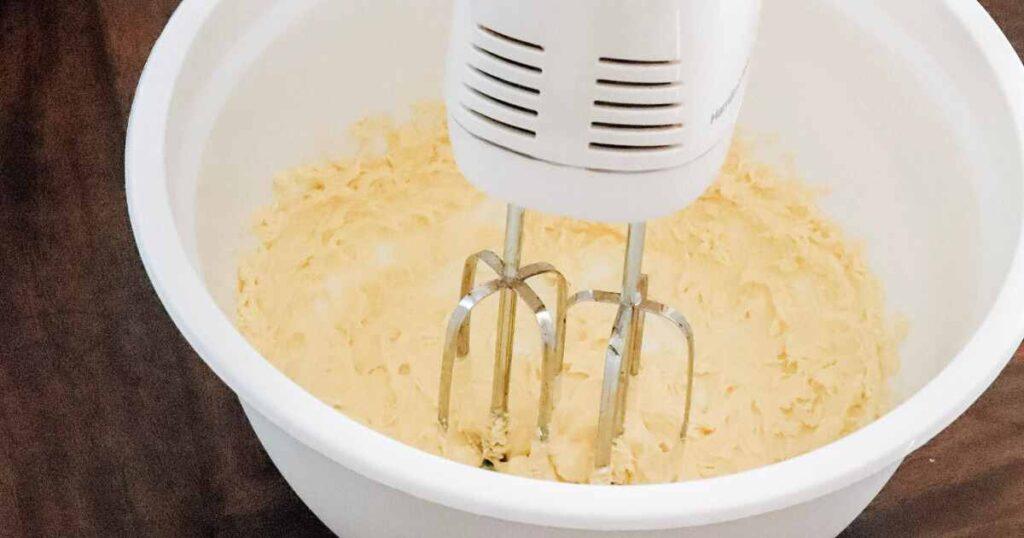
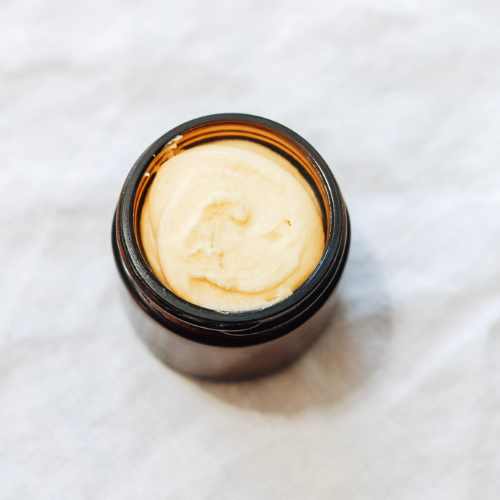
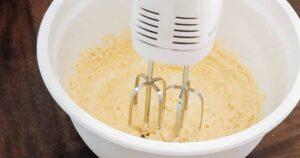
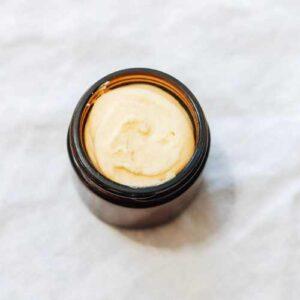
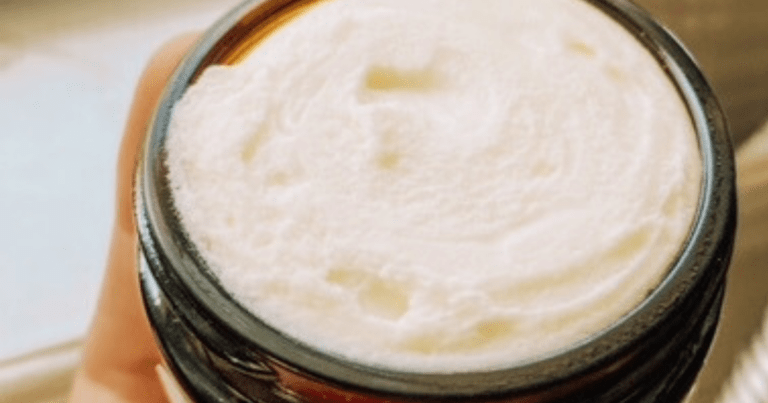
For a whipped tallow balm recipe with honey, use a hand mixer to whip the mixture for a fluffy texture as it cools. If you prefer an unwhipped version, simply pour it into jars while the mixture is still liquid. The unwhipped, solid balm is a little harder to work with I’ve found. My family and I (and our customers) prefer whipped tallow much more.
Step 5: Store in a Dark Place
Transfer the balm to clean jars or tins and let it set at room temperature. Store in a cool place to extend shelf life. This balm will last a long time, up to a year, if kept out of direct sunlight and heat.
How to Use Tallow and Honey Balm
Here are the best ways to use whipped tallow and honey balm depending on your skin’s needs…
As a face balm
A little goes a long way here. Dab tiny dots on your cheeks, forehead, and chin, then gently press it in with clean fingers. Using it on slightly damp skin helps lock in moisture without feeling greasy. This is perfect for a simple nightly routine or when your skin needs a little extra love.
For dry hands and winter skin
Rub a small amount between your palms and massage into dry patches, knuckles, or cuticles. This balm is especially cozy in the winter when cold air and indoor heat are doing a number on your skin. Keep a jar by the sink or in your coat pocket for on-the-go moisture.
For eczema-prone or sensitive skin
Grass-fed tallow closely mimics your skin’s natural oils, and raw honey adds a gentle, soothing touch. Apply sparingly to affected areas, letting it absorb naturally. Because it’s simple and free from harsh additives, even sensitive or reactive skin tends to respond beautifully.
Pro Tips (So It Turns Out Fluffy, Not Grainy)
Whipped tallow and honey balm is simple — but a few small technique details make a big difference in texture. If you’ve ever had balm turn grainy, melt too easily, or feel sticky, here’s how to fix it.
How to Keep It From Melting
Tallow naturally softens at warm room temperatures, especially once it’s whipped.
If your home runs warm (or it’s summertime), your balm may soften more than you’d like.
To keep it stable…
• Don’t over-add liquid oils
• Keep honey amounts moderate
• Store in a cool cabinet away from sunlight
• Add 1–2 teaspoons of beeswax if you prefer a firmer texture
If you live in a hot climate, refrigeration during summer is perfectly fine. Just know it will feel firmer until it warms up in your hands.
A properly balanced whipped tallow balm should be soft but not runny.
How to Keep It From Getting Grainy
Graininess is one of the most common tallow balm complaints.
It happens when the natural fatty acids in tallow cool too quickly or unevenly. This can cause tiny crystals to form, which feel gritty — even though the balm is still perfectly usable.
To prevent graininess:
• Melt gently (never overheat)
• Let the tallow cool slowly and evenly
• Whip at the right stage — when it’s opaque but still soft
• Avoid repeated melting and re-cooling
If your balm ever turns grainy, don’t panic. It’s still good — it just needs a reset (see below).
How to Fix It If It Gets Sticky
Stickiness usually comes from one of two things:
- Too much honey
- Not whipping long enough while cooling
Honey is naturally water-based, and if you add too much, the balm can feel tacky on the skin.
To prevent stickiness…
• Start with 1 tablespoon of honey per cup of tallow
• Drizzle honey in slowly while whipping
• Continue whipping until fully incorporated
If your balm already feels sticky, you can:
• Re-whip it
• Or melt it gently and add a small amount of additional tallow to rebalance the ratio
A little adjustment goes a long way.
How to Fix Grainy Tallow Balm
If your balm has already turned grainy:
- Gently remelt it over very low heat
- Let it cool slowly at room temperature
- Whip again once it begins to firm
This usually restores the smooth, fluffy texture.
Don’t Want to DIY? Here’s What I Use in My Own Kitchen
Some days, life’s too busy to whip up your own balm and that’s okay. I keep a jar of my whipped tallow & honey balm ready to go for my family, made with the same simple, nourishing ingredients I’d use in the kitchen myself. It’s creamy, hydrating, and safe for all skin, from little hands to winter-dry cheeks. You can scoop some straight from the jar and know your skin is getting the good stuff without any nasty additives or fragrances.
Grab a jar today and have it ready for when your skin needs a little extra love (no mixing, no mess) right here in the shop.
FAQ: Whipped Tallow & Honey Balm
1) How do you make tallow and honey balm?
To make a nourishing tallow and honey balm, start with rendered, purified beef tallow and gently warm it just enough to soften. Whip it until light and fluffy, then stir in raw honey. You can also add optional oils like jojoba or olive oil for extra softness. Keep everything clean and dry — this helps your balm stay fresh and stable.
This same base method can be adjusted for firmer balms or lighter facial creams.
2) What is the best ratio of tallow to honey?
A good starting ratio is 1 cup of tallow to 1–2 tablespoons of honey. This creates a creamy balm that’s moisturizing without being sticky. Too much honey can make the texture tacky and increase the chance of separation. Start small, then adjust to your preference.
This works for whipped tallow balm recipes, tallow lotion recipes, and tallow face cream recipes.
3) Can I use this tallow and honey balm on my face?
Yes! Tallow and honey balm is excellent for facial use, as long as your skin tolerates tallow. Tallow is rich and protective, while honey is naturally soothing. Start with a tiny amount on slightly damp skin. If you have sensitive skin, patch test first.
Perfect for DIY tallow face cream or homemade tallow moisturizer.
4) Is tallow and honey balm good for acne-prone skin?
It can be. Tallow mimics our skin’s natural oils, making it gentle even for some acne-prone skin. Honey has antibacterial and soothing properties. Start with a small amount and observe how your skin responds over a few days.
Queries like “tallow balm for acne recipe” or “DIY tallow face cream” often lead people here.
5) Does tallow and honey balm help eczema or very dry skin?
Many people find it very helpful. Tallow creates a protective barrier, locking in moisture, while honey soothes irritation. It’s especially loved during winter months or for dry, cracked, reactive skin. This is a simple, natural alternative to commercial creams.
6) Can I make whipped tallow balm without beeswax?
Absolutely. Whipping tallow and honey balm without beeswax gives a soft, fluffy texture. Beeswax is optional and mainly used for a firmer, more heat-stable balm. If your home is warm, a small amount of beeswax can help, but it’s not required.
This works for DIY tallow lotion recipes or whipped tallow body butter recipes.
7) How do I keep my whipped tallow balm from melting or going grainy?
Prevent melting and graininess by cooling tallow slowly and evenly, then whipping at the right time. Graininess usually occurs if fatty acids cool too quickly or unevenly. In warm climates, store your balm in a cool cabinet, pantry, or fridge. If it gets grainy, don’t worry — it still works beautifully.
8) How long does tallow and honey balm last (shelf life)?
When made with clean tools and stored properly, your balm can last 6–12 months or longer. Both tallow and raw honey are naturally shelf-stable. Avoid introducing moisture or dirty fingers — use a small cosmetic spoon for the longest-lasting results.
9) Do I need to refrigerate tallow balm with honey in it?
No, refrigeration isn’t required. Tallow is stable at room temperature, and honey preserves itself. If your home is very warm or you prefer a firmer texture, refrigeration can help. Just remember that cold balm feels thicker until it warms on your skin.
10) What kind of honey is best for skincare (raw, Manuka, etc.)?
Raw, unfiltered honey is best, ideally local. Manuka honey is optional and can be expensive. Avoid heavily processed honey that’s essentially syrup. Raw honey contains natural enzymes and nutrients that make it ideal for DIY tallow honey face cream, tallow lotion, or lip balm recipes.
11) What if my tallow and honey balm turns out sticky?
Sticky balm usually means there’s too much honey. Honey is a humectant, drawing moisture, but too much can leave skin tacky.
To fix it:
- Gently remelt the balm using a double boiler on low heat.
- Add small amounts of pure beef tallow and stir to rebalance.
- Cool slowly at room temperature for best texture.
Using small dots on the skin and letting it absorb fully also helps if it’s slightly sticky but otherwise fine.
12) Why is my tallow and honey balm separating?
Separation happens because honey is water-based and tallow is oil-based — you’re creating a soft emulsion. It can occur if tallow is too warm when honey is added or if it isn’t whipped enough.
To fix or prevent separation:
- Cool tallow to a soft, creamy texture before whipping.
- Drizzle in honey slowly while whipping.
- If it separates later, simply re-whip — it will recombine beautifully.
This answers searches like “whipped tallow honey balm separating” and “tallow and honey balm fix.”
13) How much balm should I use at a time?
A little goes a long way. Use a pea-sized amount for your face, or a small amount for spot treatments like lips, cuticles, or dry patches. Apply to slightly damp skin to lock in moisture.
14) Can I use this balm every day?
Yes! It works as a daily natural moisturizer, lip balm, or night cream. Made from simple, natural ingredients, it’s gentle enough for all skin types, including sensitive skin.
Final Thoughts
This homemade whipped tallow and honey balm is a simple, traditional way to nourish your skin without synthetic fillers or unnecessary additives. And whether you’re just starting with DIY recipes or are a seasoned pro looking for great options, this balm is a must-have for all skin types.
I hope you love it just as much as I do. Let me know in the comments if this recipe worked for you.
In the meantime, keep it simple. Keep it intentional. And keep making your granny proud!
Thanks for stoppin’ by. -Kacie
Whipped Tallow & Honey Balm
Equipment
- 1 Double boiler (or a heat-safe bowl over a pot of simmering water)
- 1 Hand mixer or whisk
- 1 Measuring spoon/cup
- 1 Clean jar for storage
Materials
- 1/2 cup grass-fed tallow rendered beef fat, preferably from leaf fat for a milder smell of tallow
- 1/2 tablespoon (or less) raw honey Manuka honey is a great option for added benefits of antibacterial properties
- 1 tablespoon liquid oil jojoba oil, extra virgin olive oil, or avocado oil are all great options
- 1 tbsp shea butter or cocoa butter (optional) for a fluffier texture
- 5-10 drops essential oil (optional) lavender, rosehip oil, or tea tree are great options
- 1-2 tsp beeswax (optional) adds firmness and makes the balm more heat-stable.
- 5-10 drops vitamin E oil for extended shelf life and extra skin health benefits
Instructions
- Melt Ingredients: In a double boiler, melt the tallow, shea butter (if using), and liquid oil over low heat. Stir gently to preserve nutrients.
- Add Honey & Extras: Remove from heat and let cool slightly. Whisk in honey, essential oils, and vitamin E oil.
- Whip or Pour: For a whipped balm, use a hand mixer to whip until light and fluffy. For a solid balm, pour into jars while liquid.
- Store Properly: Transfer to clean jars and store in a cool, dark place. Balm lasts up to a year if kept out of direct sunlight and heat.
Notes
- Tallow to Honey Ratio: Start with 1 cup tallow to 1–2 tablespoons honey. More honey can make the balm sticky or separate. Adjust gradually to get the texture you like.
- Optional Beeswax: Adding 1 teaspoon of beeswax per 1/2 cup tallow helps create a firmer balm, ideal if your home is warm or you want a more travel-friendly consistency. Not required… balm is still soft and nourishing without it.
- Vitamin E: Use 5–10 drops of vitamin E oil, not capsules, to help preserve your balm and support skin health.
- Whipping Tips: Whip the balm after it’s cooled to a soft, creamy texture. Whipping too early or too late can make it grainy. If it separates, simply re-whip.
- Skin Types: Works well for dry, sensitive, or irritated skin. People with acne-prone or very oily skin should patch test and start with a small amount.
- Storage: Keep in a cool, dark place. Can last 6–12 months. Refrigeration is optional… it firms up the balm but is not required.
- Substitutions: Use jojoba, olive, or avocado oil. Shea or cocoa butter adds extra fluffiness. Essential oils are optional for scent and skin benefits.
- Bonus Tip: For a spa-like experience, blend calming oils like lavender or rosehip… tallow naturally absorbs skin care ingredients deeply, so your essential oils go a long way.

About The Author

Kacie is a wife, homeschool mom of 4 boys, holistic esthetician, and a sixth-generation homesteader with a passion for natural and sustainable living, creating a home that educates the mind and nurtures the soul, and reclaiming our independence like our ancestors before us.




Is there a printable version of this?
Hey, Brooke! I’m so sorry for the delay. Most of the comments I get are spam so I almost missed this. I can certainly make one for you to print out. 🙂 Feel free to email me at [email protected] 🙂
Hi Kacie, thank you for the recipe. I want to use a beeswax. When I can incorporate it in the recipe? In the beginning or during adding honey?
Thank you.
Hi there! You’re so welcome—I’m glad you’re giving it a try! You’ll want to add the beeswax at the beginning, when you’re gently melting the tallow and oil together. Beeswax takes a little time to fully melt, so it’s best to get it melted and smooth before adding the honey (which should go in once everything has cooled slightly, to preserve more of its benefits). Hope you love it!
how much do i use of beewax
Best recipe ever. I love how soft it makes my skin feel. You put your heart into all your recipes. Much appreciated.
I want to add beeswax and aloe, how much of this do i add and how
also can someone recommend eo blends i am looking for- (top,heart and bottom notes)
a nice non photosensitive essential oil blend for skincare
the same but can be photosensitive also for skincare
a blend for mouth products
Hey friend! 💛 You can definitely add beeswax and aloe. Start with just a little beeswax to firm it up (like a tablespoon or so per cup of tallow) and a small spoonful of aloe gel to keep it smooth. For essential oils, non-photosensitive ones like lavender, geranium, or chamomile are great for everyday skin. If you don’t mind sun sensitivity, lemon, bergamot, or grapefruit are lovely. For mouth products, peppermint, spearmint, or a little clove works well. Start small with drops, you can always add more until it smells and feels just right!
Thank you for the recipe! I had a TON of beef tallow still in my deep freezer from last year’s side of beef. I made this with the added cocoa butter and used a blend of lavender, cyprus, and lemon essential oils. It’s so rich and creamy yet rubs in without excess greasiness or stickiness. My husband was worried we’d smell like beef but we smell like a refreshing spa. Love it!
Aww I love this so much!! 💛 And I’m cracking up at your husband, but also I get it (haha). That blend sounds absolutely dreamy too. Lavender + cypress + lemon is such a clean “spa” scent. I’m so glad it turned out rich and creamy without feeling greasy. Thank you for taking the time to come back and share what you used… I know that helps so many others! 🥰 And thank you for supporting me.
can you tell me how much essential oil you used of each fragrance?
can you squeeze the oil out of the vitamin E capsule and use it?
Thank you so much for asking! I actually updated the recipe to use vitamin E oil drops instead of a capsule to make it clearer. You absolutely can pierce a capsule and squeeze the oil out. That’s perfectly fine, but using bottled vitamin E oil is simpler.
For this recipe size, I use about 5-7 drops total of essential oil. I personally stay closer to 5–8 drops for a gentle everyday balm, especially if it’s going on the face. You can always start low and adjust in future batches.
Hope that helps! Let me know if you make it. I love hearing how it turns out 🤍
When I made goat milk soap years ago, I used grape seed oil as a preservative. Can it be used in whipped tallow as well?
Hey, Lisa! While grapeseed oil is a lovely skin-nourishing oil, it actually has a shorter shelf life than tallow and doesn’t act as a preservative.
Since whipped tallow doesn’t contain water, it’s naturally stable, but if you’re looking to keep the oils from oxidizing, I’d recommend a touch of Vitamin E or Rosemary Seed Extract instead. They’ll keep the batch fresh without weighing down that fluffy, whipped texture!
Do you measure the tallow in solid or liquid form?
Hi, Lisa! I measure in liquid 🙂